
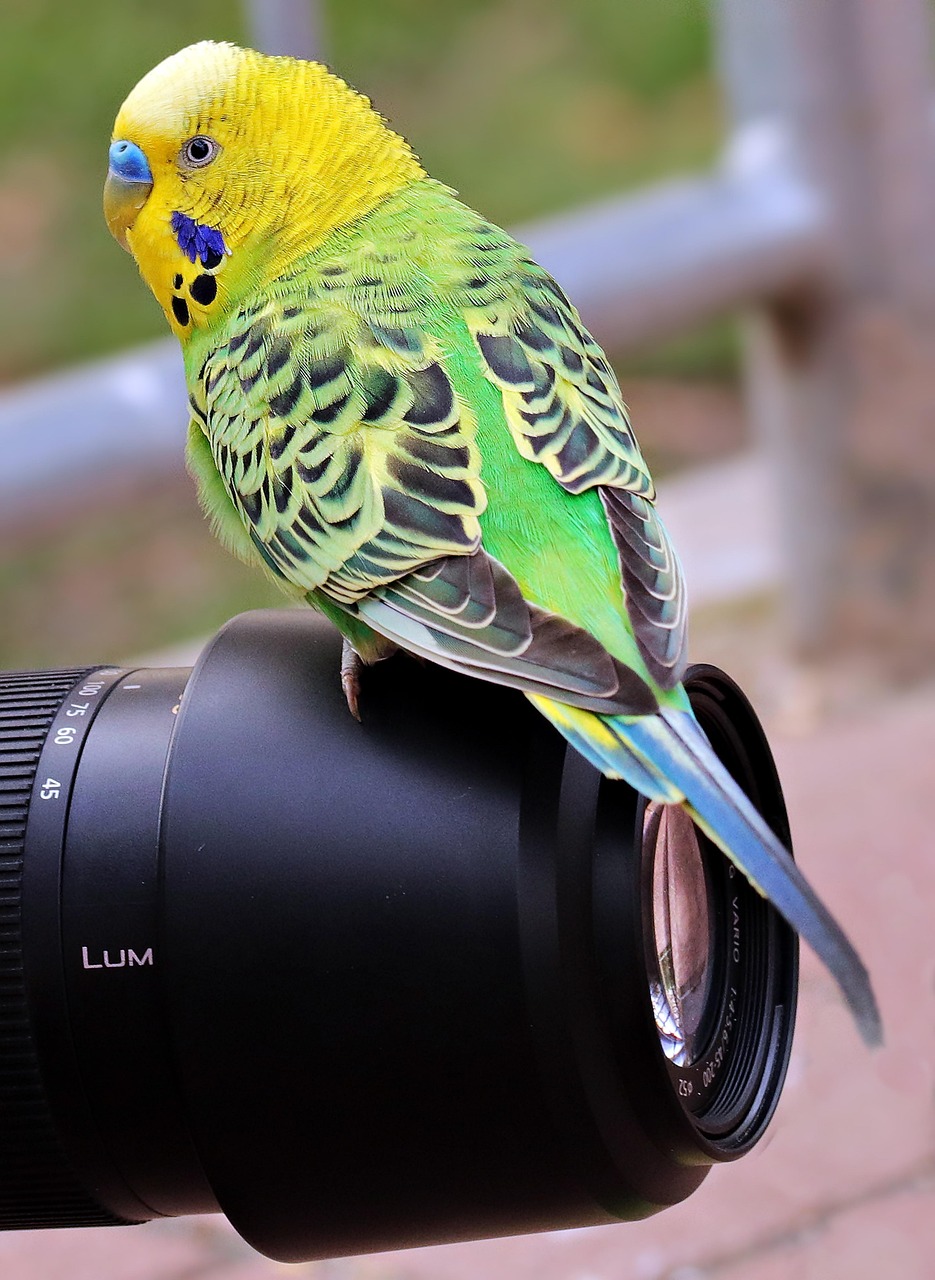
Why Humidity Matters for Budgie Feather Health
Budgies are resilient little birds, but high indoor humidity can lead to skin and feather issues that spark feather plucking. Damp air encourages skin irritation, yeast or bacterial growth, and poor feather condition. These problems make preening uncomfortable and may push a budgie to pick at feathers.
This guide shows how humidity affects your budgie and gives simple, practical steps to monitor and control moisture at home. You’ll get easy hacks for dehumidifying rooms, improving cage setup, and adapting bathing routines in humid climates. Use these tips to keep your budgie comfortable, healthy, and focused on preening — not plucking. Small changes at home can make a big difference fast for your bird today.


Feather Plucking in Birds: Causes
How Humidity Can Trigger Feather Plucking
Wet skin, itchy feathers, and microbes
Damp air changes the microclimate of your budgie’s skin and feathers. When feathers stay moist or the skin’s tiny protective oils are washed out, the skin gets irritated and micro-tears form — perfect real estate for yeast and bacteria to grow. A small infection or chronic itch is an invitation for a curious beak to investigate, and pretty quickly gentle preening can become destructive plucking.
More bugs, more trouble
High humidity speeds up life cycles for many tiny pests. While not every parasite loves damp conditions, several bacteria and fungal species (and some opportunistic mites) thrive when cages and perches remain clammy. That means more itch, more rubbing, and more feather damage — even before you notice visible infection.
Muggy heat = stress and overpreening
Humid air makes it harder for budgies to cool down. Birds rely on air flow and evaporative cooling; when the air is heavy and still they get uncomfortable and stressed. Stress is one of the most common triggers of overpreening and feather plucking. Many owners report plucking spikes during heatwaves or in poorly ventilated bathrooms where steam builds up.
In humid climates, adding moisture with devices like the AquaOasis 2.2L Cool Mist Humidifier for Bedrooms can backfire unless you monitor humidity closely — a dehumidifier like the Frigidaire 30‑pint or the hOmeLabs 1,500 sq ft model may be a better tool if indoor RH regularly tops 60%.
Watch for these humidity-related warning signs:
Spotting these early helps you move quickly to measure and fix room moisture before a budgie’s grooming turns into plucking.
Measure First: Simple Ways to Monitor Room Moisture
Cheap tools that actually work
Start with a hygrometer — inexpensive and eye-opening. Analog models are simple, no batteries, and often quite accurate after a quick calibration (ice-water or wet towel test). Digital units add temperature readouts, memory, and alerts; Wi‑Fi models (Govee, ThermoPro, Acurite) can show trends on your phone.
Where to put hygrometers for useful readings
Place sensors where they reflect the budgie’s microclimate, not the draft from a vent or direct sun:
Quick logging to catch patterns
Use two or three sensors for big rooms. For one week, note:
This short log reveals spikes: many owners see RH jump 15–30% after hot showers or boiling pasta.
How to read the numbers
Target range for most budgies: about 40–55% relative humidity. Readings consistently over 60% (especially with temps above ~26°C / 78°F) are a red flag — that’s muggy heat and stress. Low RH below ~30% can dry skin, but extreme dry is less common than muggy air in many homes.
If a sensor shows frequent spikes or sustained high RH, time to act: ventilation, dehumidifier, or changing water/bathing routines. Keep watching the trend rather than obsessing over single readings — patterns tell the story.
Lowering Excess Moisture: Practical Dehumidifying Hacks
Quick, immediate fixes you can do today
Start with the low-effort wins: run exhaust fans when showering or cooking, crack opposite windows for cross‑ventilation when outdoor air is drier, and never air‑dry a load of laundry in the same room as your budgie. Simple behavior changes often knock down those post-shower spikes that stress feathers. I once had a reader say: “Running the bathroom fan for 20 minutes after showers cut my room RH from 68% to 54%—instant calmer feathers.”
Small absorbers and spot control
Place small silica or salt-based moisture packs near, but not inside, the cage (on a nearby shelf). They’re cheap, silent, and great for damp corners. For a cupboard-sized area use an Eva-Dry or a few 20g silica packs; for larger rooms, step up to a mechanical option.
Portable dehumidifiers — choosing the right size
Pick by pints-per-day capacity and room size:
Look for Energy Star and low‑noise units (under ~50 dB) so your budgie isn’t stressed. Models like hOmeLabs 30‑pint or Frigidaire 50‑pint are common practical picks.
Use AC and extractor fans wisely
Air conditioners remove moisture as they cool — set them on a steady, moderate temp rather than turboing only when hot. For bathrooms and kitchens, install vented extractor fans that exhaust outside (run during and 10–20 minutes after use); inline fans are great if routing is tricky.
Maintenance and safety
Empty reservoirs regularly or set up a drain hose; clean filters monthly and coils annually to keep efficiency up. Keep all cords, hoses, and units outside the bird’s reach; use GFCI outlets and secure cables to avoid curious beaks. Regular maintenance = continuous moisture control and a safer home for your budgie.
Room and Cage Setup to Beat Dampness
Smart placement — pick the driest spot
Keep the cage off external walls that tend to collect moisture and avoid bathrooms or kitchens where steam is common. A window that “sweats” in summer can drip nearby surfaces — move the cage at least a couple of feet away or to an interior wall. Try to place the cage where air circulates, not tucked in a corner behind curtains.
Cage materials and liners that won’t hold water
Avoid absorbent liners like fleece or thick paper that trap spilled water and droppings. Use:
Elevation and airflow
Raise the cage a few inches (a minimum of 6″) on a stand to promote under‑cage airflow. An elevated tray or slatted base helps moisture evaporate instead of pooling. In my experience, swapping a fleece liner for a slatted tray cut bedding dampness in half overnight.

Furniture and nearby items
Keep bulky, non‑breathable furniture (thick upholstered sofas, dense bookcases) away from the cage. Houseplants, fish tanks, and drying laundry are hidden humidity sources — give them distance. Choose breathable stands or metal cabinets instead of closed wooden boxes that trap moisture.
Gentle air movement — safe fan use
A small, quiet fan on low can stop localized damp spots. Use:
Bathing and Grooming Strategies for Humid Climates
Why frequent misting is usually a bad idea
In a home that already feels muggy, constant misting just raises the baseline moisture and can leave feathers damp for hours — the perfect recipe for skin irritation and mildew smell. Think of it like opening a window during a rainstorm: you’ve added moisture with nowhere for it to go.
Safe bath alternatives
Offer baths that wet the bird without soaking the room air:

Quick how-to: supervised shower
Turn on warm (not hot) water, let a soft stream run into your cupped hand, and let your budgie step into the water briefly. Keep the bathroom door open and a small fan or exhaust on for a few minutes after to move the air. Time it like a power nap — 1–3 minutes is often plenty.
Grooming tools and encouragement
Drying tips and safety
Signs the bath helped — or didn’t
These simple swaps keep your budgie clean without turning your room into a sauna — next, we’ll look at behavioral checks that pair with grooming.
Behavioral and Health Checks: When Humidity Isn’t the Whole Story
Feather plucking is usually multifactorial
Humidity can push a bird toward skin irritation, but plucking is often a mix of stress, boredom, medical problems, and environment. Think of humidity as one piece of a puzzle — if stress or parasites are present, damp air can make the problem worse. Quick daily checks help you spot which pieces are missing.
Daily behavioral observations & enrichment (how-to)

Red flags that need an avian vet (take these seriously)
Documenting symptoms and humidity for the vet
Bring a short timeline: photos (date-stamped), videos of behavior, a week of humidity/temperature logs from your sensor, notes on diet/cage changes, and what interventions you tried. A clear record can help your avian vet determine whether humidity is an aggravator or a symptom of a deeper problem.
If you’re unsure after logging and watching, it’s better to call your avian vet — quick action often means faster recovery for feathers and for peace of mind.
Small Changes, Big Feather Wins
Monitor room humidity and act: measure first, then reduce persistent dampness with dehumidifiers, ventilation, or simple home tweaks. Arrange the cage off damp walls, improve airflow, and use absorbent perches or liners so the nest area stays dry.
Adjust bathing frequency and method for humid climates, and always watch for behavioral or medical causes — stress, boredom, mites, or illness need a vet. Small, steady changes can stop plucking before it becomes habit. Try one tweak this week and watch your budgie’s feathers—and mood—improve. Share your progress with other bird lovers and celebrate each silky feather regained.



Hmm, not sure I agree 100% with the humidity-first approach. My budgie plucked when stressed at night and the PONY DANCE cage cover actually made things worse because it reduced airflow.
I think they mixed behavior and environment well, but owners should test one change at a time.
Yup. I had the same issue. Swapped to a breathable cover and opened the cage side slightly at night. Big improvement.
Totally valid point, Sophie. The article does emphasize behavioral and health checks for that reason — cage covers can help reduce drafts/noise but can also trap humidity. Good advice to change one variable at a time.
My two cents: I ignored humidity for years. Bought a Proud Bird wireless sensor, and it revealed spikes every evening when I cooked. Moved the cage/used exhaust fan more and the plucking stopped within weeks. Simple but effective!
Nice detective work, Ben. Kitchen humidity and steam are common culprits. Glad the sensor helped you identify it.
Short and sweet: the article nailed it. I live in a pretty humid climate and swapping to a freestanding bird bath (Daoeny 35in) and giving my budgie sparser baths reduced their preening frenzy.
Skeptical that silica packs do much in an entire room, but they’re handy in cage corners and seed bins. The article’s mix of big (humidifier) and small (silica) fixes is smart.
Also, anybody tried combining a humidifier and dehumidifier strategy seasonally?
Seasonal combos are common — humidifier in dry winter, dehumidifier or more ventilation in summer. Sensors help you switch at the right times.
I run a small dehumidifier in summer and the humidifier in winter. The Proud Bird sensor gave me clear thresholds to act on.
I’ve done that. My family uses the AquaOasis in winter and silica + fans in summer. Works well.
Yeah, it’s seasonal common sense — but many skip monitoring and go by feel, which is where problems start.
This piece was super helpful. Quick tip from me: use distilled water in cool-mist humidifiers (AquaOasis) and scrub them weekly. Prevents funky bacteria and white dust. 👍
Yes — distilled water + weekly cleaning is the recommended routine. Thanks for the practical reminder!
I also add short run times rather than running it all night. Keeps humidity in a safe range for budgies.
I laughed at the ‘when humidity isn’t the whole story’ line 😂 Took my budgie to the vet — had mites and the humidity changes were a red herring. So yeah, don’t skip the health checks if changes don’t work.
Yikes, glad you caught that early. Thanks for sharing — good reminder.
Ugh mites. Vet visit saved my sanity too. Sometimes articles can over-attribute to one thing!
Totally — I second the vet advice. Also, topical sprays without vet ok? (asking for a friend…)
Exactly — we wanted to make sure readers try environmental fixes but also check for medical/behavioral causes. Mites are sneaky.
Loved the ‘Small Changes, Big Feather Wins’ section. Stuff like using 20g silica packs and adjusting bath frequency is realistic for busy people.
Also appreciate the product callouts — I ordered the 15-pack silica and a Cigar Oasis analog hygrometer to compare with my digital one.
Thanks, Rita. The Cigar Oasis is a solid analog backup — nice for cross-checking digital sensors.
I do both too. Cigar Oasis has that old-school precision vibe — nice to have alongside apps and Bluetooth sensors.
They last months in dry areas; if the room’s super humid they saturate faster. You can recharge some types in the oven but check the packaging 🙂
How long do silica packs last in a cage area? Do you need to replace them often?
Funny story: I bought the Daoeny bird bath because the article suggested a freestanding bath for humid climates. My parrotlet treated it like a hot tub and now refuses the cage perch. So, uh, success? 😂
Haha mine did the same — now I need a tiny towel for him 🤦♀️
Haha — sometimes the birds pick their own solutions! Glad it worked out even if on their terms.
As long as they’re not soaked constantly. They need dry perches too to avoid foot issues.
Nitpick: the PONY DANCE cover is great for light control but the article could’ve stressed airflow more. My budgie got drowsy under a heavy cover until I got the breathable version.
Also: anyone else find digital temp/humidity sensors sometimes wildly different from analog ones?
Also calibrate if possible. Some apps let you adjust offset for consistent readings.
Good point on airflow — breathable covers are a safer first try. Regarding sensors, yes digital models can drift or misread if placed near vents; the article recommends cross-checking with an analog like the Cigar Oasis.
I noticed digital sensors read higher near windows in the morning. Moved them and the discrepancy vanished.
I appreciated the bathing/grooming section. Gave me permission to experiment with frequency. Also — PSA: put a towel on the floor lol, bird water splashes are real 😂
Totally — waterproofing the area and supervising baths is key. Glad the section empowered you to try different frequencies.
Love the step-by-step mindset the article encourages. Quick critique: would be great to have a simple humidity target range chart for budgies right up front. Still, very useful overall!
Thanks Paula — that’s great feedback. We’ll consider a quick reference chart in an update. Typical recommended range is usually around 40-60% for many small parrots, but vet confirmation is ideal.
40-60% saved me when I first got sensors. Worth bookmarking.
Thanks for the vet caveat admin — birds differ and it’s comforting to have that reminder.
Yes a chart would be handy. I always forget the exact numbers.
Question: anyone used the AquaOasis 2.2L cool mist humidifier with small birds? I love the idea for dry winter air, but worried about mold and overdoing it. The article’s “Measure First” made me think I should buy a hygrometer first.
I used AquaOasis for a season. Kept it 2-3 feet from the cage and cleaned twice a week. Worked okay, but hire a good filter/cleaning routine.
Great question. If you use the AquaOasis, set it on a timer and keep the room humidistat-controlled if possible. Pairing it with a Cigar Oasis or ThermoPro helps avoid over-humidifying. Clean the tank regularly to prevent mold.
If you have hard water, use distilled — my unit mineral-crusted in months otherwise.
Great read! I actually picked up a ThermoPro TP50 after reading the “Measure First” section — huge difference. My budgie seems calmer when humidity is steady.
One thing I tried: placing a silica gel pack (15-pack set) in the little cupboard where I keep spare seeds. Didn’t think of cage area before but it helped with that damp smell. Thanks for the practical tips!
Thanks Claire — glad the ThermoPro helped! The silica packs are underrated for small enclosed spots. If you notice big swings, try placing the sensor near the cage and one farther away to compare readings.
Ooh, that’s clever. I always thought silica was only for shoes 😂 Might try this.
Good tip about multiple sensors. I used a Proud Bird wireless sensor and an old ThermoPro. Saved me from chasing ghost humidity problems.