
Why UVB Matters in a Terrarium
If you keep reptiles, UVB lighting is one of those care basics you can’t ignore. UVB helps reptiles synthesize vitamin D3, which controls calcium absorption — and calcium keeps bones strong, eggs healthy, and prevents metabolic bone disease.
LEDs that produce UVB have become a hot topic because they promise efficiency, longevity, and focused output. But not all UVB LEDs are created equal, and proper use matters more than buzzwords.
This article walks through what UVB does, how UVB LEDs work and differ from bulbs, how to choose the right product for your species and setup, and safe installation and monitoring. I’ll also bust common myths and share practical tips you can use tomorrow. Now.


Terrasky UVB LED Review: Does It Harm Reptiles?
What UVB Is and Why Reptiles Need It
Where UVB sits in the light spectrum
Think of sunlight as a band of colors and invisible rays. UVB is the “short, energetic” slice just beyond violet light — invisible to our eyes but powerful for reptiles. It’s different from UVA (which affects behavior and appetite) and from visible light (which lets reptiles see and regulate daily rhythms). UVB is the bit that kick-starts a chemical process in the skin — like flipping a switch that helps them use dietary calcium.
How UVB makes vitamin D3 (in plain language)
When UVB hits the skin, a naturally present molecule changes shape and becomes vitamin D3. That’s not the finished form yet — the liver and kidneys then turn it into the active hormone that tells the gut to absorb calcium. Imagine UVB as the chef lighting the stove, and the body as the recipe team that turns ingredients (dietary calcium) into a finished dish (strong bones).
Why calcium and D3 matter — real-world effects
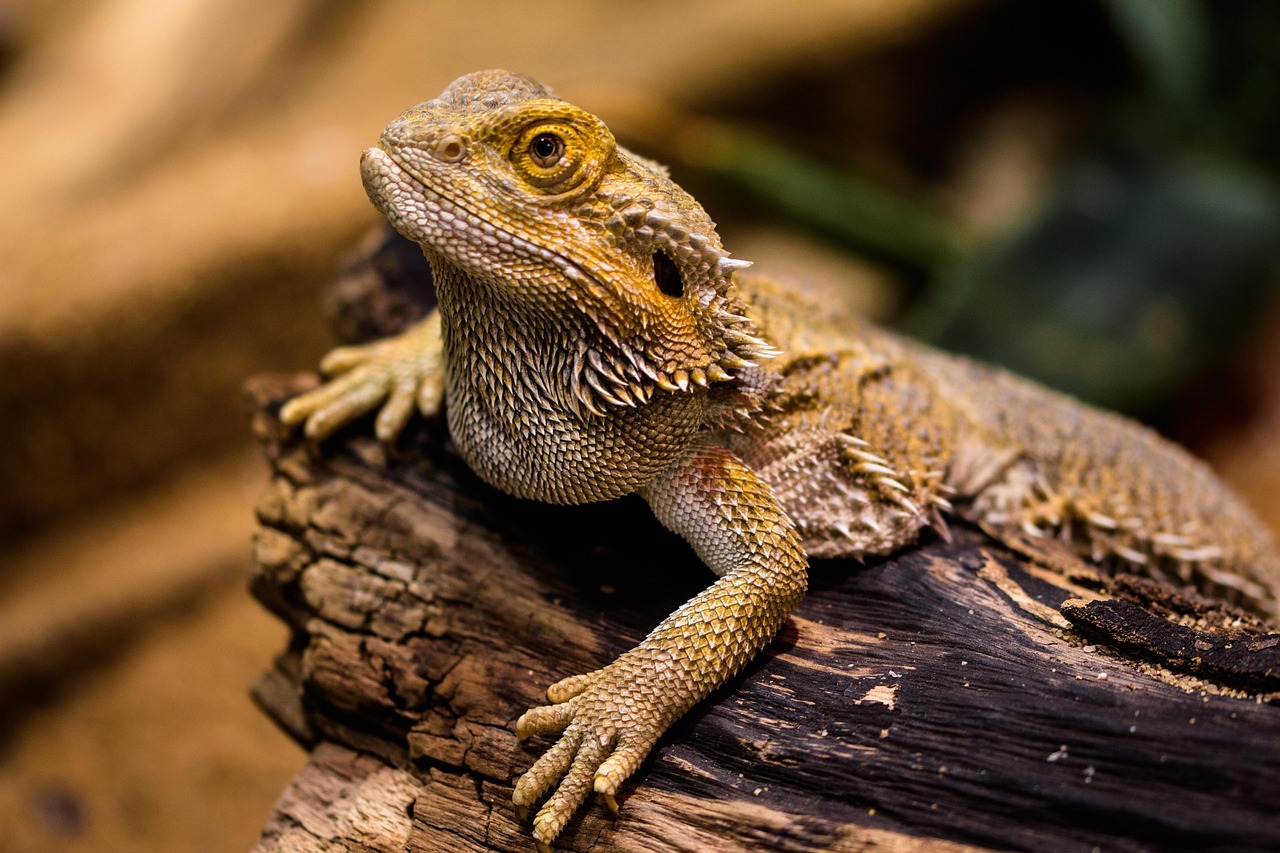
Calcium is the structural material for bones, shells, and eggs. Without enough D3, a reptile can’t absorb calcium well even if its diet is rich. The result is metabolic bone disease (MBD): soft or bowed bones, weak limbs, twitching, and painful fractures. A bearded dragon with proper UVB will look robust and active; one without it can become lethargic and deformed over months.
Quick, practical takeaways you can use now
Next up: we’ll dig into how UVB LEDs actually produce that crucial radiation and how they compare to traditional bulbs — so you can choose the right source for your reptile’s needs.
How UVB LEDs Work (and How They Differ from Other UVB Sources)
The basics: what makes a UVB LED
UVB LEDs are semiconductor chips designed to emit photons in the UVB band rather than visible light. Manufacturers tune the chip material (and sometimes add phosphors) so the diode’s emission peaks in the 290–315 nm-ish range reptiles need for vitamin D3. Think of it as engineering the LED’s “color” at a microscopic level instead of relying on a gas or filament to produce light.
Spectrum control and directionality
LEDs are great at precision. Brands can design LEDs with a narrow UVB peak, or combine multiple emitters/ phosphors to approximate a broader natural spectrum. That contrasts with fluorescent tubes and mercury vapor bulbs, which produce wider, less controllable spectra and a lot of extra wavelengths (and heat). LEDs are directional — they send light where you aim them — so you can concentrate UVB on a basking spot instead of bathing the whole tank.
Heat, efficiency, and lifespan
LEDs convert more energy into useful photons and less into waste heat, so fixtures stay cooler (good for glass terrariums and heat-sensitive setups). Many UVB LED units are rated for tens of thousands of hours, often outlasting fluorescents, which dim faster and typically need replacement every 6–12 months for reliable UVB. Mercury vapor bulbs give strong, stable UVB but use more energy and run hot.
Output stability, safety, and practical trade-offs
Quick practical tips
Choosing the Right UVB LED for Your Species and Setup
Match UV needs to animal behavior
Start with your species’ natural habits. Diurnal, sun-basking reptiles (bearded dragons, many chameleons) need higher, focused UVB at basking spots. Crepuscular/nocturnal species (leopard geckos, many geckos) do better with low, diffuse UVB or short daily exposure.
Quick target UVI ranges (use as a starting point):
Spectrum: broadband vs narrowband
Broadband LEDs that approximate sunlight (peaks across 290–315 nm) are often better for natural vitamin D3 synthesis. Narrowband LEDs can work if their peak sits near 295–305 nm and output is adequate, but they may be less forgiving if placement/behaviour varies.
Distance, coverage, and what’s blocking your light
UVB falls off fast with distance. Fixtures that give a strong reading at 6 inches may be inadequate at 12–18 inches. Consider:
Reading specs and decoding marketing
Look for:
Placement & fixture count — practical examples
If unsure, buy a UV meter or start with a slightly stronger setup placed further away; you can always lower the fixture. Next up: how to install, monitor, and use these fixtures safely so your reptile actually benefits.
Installation, Monitoring, and Safe Use
Mounting and aiming for even coverage
Aim LEDs so the beam hits the primary basking surface perpendicular — that gives the highest, most predictable UVB. For ground-baskers use a single focused unit; for arboreal animals spread two or three short strips across the canopy to avoid dead zones. Check for blocked rays: mesh tops, dense foliage, or rock overhangs can cut UVB dramatically.
Combining LEDs with heat and basking lamps
UVB LEDs don’t usually produce much heat, so pair them with a dedicated heat source (ceramic heat emitter, halogen or basking bulb). Keep fixtures separated enough that LEDs aren’t exposed to the direct heat of high-wattage basking bulbs — heat can shorten electronics life. Use a thermostat for the heat lamp to maintain a stable gradient.

Creating gradients and shaded retreats
Build a simple gradient: warm, well-lit basking spot directly under the LED + heat lamp, cooler areas away from the beam, and one or two shaded hides under foliage or caves. Reptiles pick their UV — they should be able to avoid it easily. A shady hide and a lower-UVI retreat are essential.
Photoperiod and daily timing
Mimic natural day length: 10–14 hours of light for most species, adjusted seasonally (shorter in winter for brumating species). Time the UVB and heat to overlap during active periods (morning through mid-afternoon). Consider a simple programmable timer rather than manual switching.
Keeper safety and simple precautions
Even though many UVB LEDs are lower-risk than older mercury lamps, avoid staring directly at them. Wear UV-blocking glasses when working inside the tank for extended periods, and don’t let skin receive intense direct exposure for long stretches. Keep children and pregnant people at a comfortable distance during maintenance.
Monitoring UVB over time and replacement
Measure output with a reliable meter like the Solarmeter 6.5 (UVI) or comparable UVB reader every 6–12 months. LEDs can run for thousands of hours, but UV output can decline before visible brightness does. Replace the fixture or module when measured UVI falls below your target for the basking spot or per the manufacturer’s recommendations (commonly 2–5 years for many LED modules).
Troubleshooting: animals won’t use the light
Next up: we’ll bust common myths and outline practical limits and tips so you don’t fall for bad product claims.
Common Myths, Limitations, and Practical Tips
Myth-busting: what people get wrong
Real limitations of current UVB LEDs
UVB LED tech has come a long way, but there are gaps:

Practical, down-to-earth tips
Quick pre-buy checklist
Next up: the Conclusion will pull these threads together and give final buying and setup pointers.
Bringing It All Together
UVB is essential for many reptiles, and UVB LEDs offer a promising, energy-efficient option with distinct strengths and limits. Choose based on species needs, enclosure size, and measured output, and monitor behavior and vitamin D status.
Do practical tests, tweak placement, and ask experienced keepers or a reptile vet when unsure — thoughtful selection, regular checks, and follow-ups keep reptiles healthy.

First time poster! Really enjoyed the ‘common myths’ — helped calm my nerves about switching to LEDs.
Couple quick practical bits:
– If you have small hides, the 5W 10.0 UVB LED Reptile Light Bulb is great for targeted spots.
– Clamp lamps like Fluker’s are still handy as a cheap backup, just be careful with distance and screen mesh.
Also, pro tip: label your bulbs with install date and expected replacement date. Saved me from running an old T5 for 4 years by accident 😂
Totally — I mark purchase date and recommended retirement (e.g., 12-18 months for some T5 setups). Makes maintenance much easier.
Welcome, Priya! Love the bulb-labeling tip — that’s a simple practice more keepers should do.
Short and sweet: helpful article. I appreciated the myth-busting about ‘LEDs don’t produce UVB’ — the section explaining how specific LED diodes emit UVB was super clear.
Great overview — liked the practical tips section. I switched from a Fluker’s Heavy-Duty 8.5-inch Clamp Lamp to a 16-inch 14W LED UVB Reptile Light Fixture last year and noticed my bearded dragon is way more active.
A couple things I wish the article had: actual recommended distances for different basking temps per species (more specifics for beardies vs. leopard geckos would be awesome).
Also, anyone else find the T5 10.0 UVB 12-inch kit to be kinda bright for smaller enclosures? 😅
Thanks Mark — good point about distance tables. We’ll consider adding a species-distance chart in an update. For beardies you generally want stronger UVB (closer, or a higher output fixture) than for crepuscular species like leopard geckos.
I use the T5 10.0 in a 24″ x 18″ x 18″ tank for my juvenile beardie and keep it about 10–12 inches above the basking spot. Works well but yeah, too close = burn risk. The LED 16-inch works better for larger tanks imo.
Funny — I tried the clamp lamp + T5 combo and my gecko ignored the basking area for a week. Swapped to the 5W 10.0 UVB LED Reptile Light Bulb and things improved. Weird how small changes matter.
Okay long post incoming because I ended up testing several of the mentioned products for my rescue center.
1) T5 10.0 UVB 12-inch Reptile Light Kit — reliable, wide spread, great for medium enclosures.
2) REPTI ZOO T5 HO 24W UVB Lighting Hood — excellent if you want maximum coverage but needs proper fixtures and a ballast.
3) 5W 10.0 UVB LED Reptile Light Bulb — ideal for small hides and targeted spots. Watch the angle though.
4) 16-inch 14W LED UVB Reptile Light Fixture — my favorite for larger upright tanks.
5) Dimmable REPTI ZOO UVB Light Fixture 6W — neat for adjustable cycles during acclimation.
Couple of real-world notes:
– Always measure UV index with a proper meter; eye/behavior isn’t a reliable gauge.
– LEDs have different beam angles; a narrow UVB beam can create dangerous hotspots.
– Installation matters: fans and heat can change output over time.
If anyone wants numbers for distance vs UVI for a given bulb I can post my readings.
Re: fans — good call. I mounted a cooling fan on my hood and noticed UV output dropped slightly after a few months. Maybe dust + ventilation together?
Tom, seriously appreciate the thoroughness. Rescue center must be a juggling act — thanks for sharing the practical data!
What model of meter do you use, Tom? I’ve been using a Solarmeter but not sure it’s accurate at low UVI levels.
Yes please post the UVI numbers! I’ve only got a cheap meter and trying to decide between the 16-inch 14W LED fixture or the REPTI ZOO T5 HO for a 36″ tank.
Tom — huge thanks for this detailed field testing. If you can post a few sample UVI readings (brand/model + distance) that would be extremely helpful to readers.
If you post the readings, tag me. I’m building a custom LED array and want to match UVI per species.
Saw a lot of good stuff here. Two small things:
– The ‘common myths’ section should include ‘UVB = heat’ myth — I still see people using UVB as a heat source.
– For beginners, recommend pairing a UVB meter link or a cheap brand recommendation (Solarmeter 6.5 is mentioned in forums) so they don’t guess levels.
Also tiny typo in the ‘Bringing It All Together’ header — ‘togther’ maybe? 😉
Also remember that reptiles rely on UVA too for behavior; don’t eliminate visible light thinking only UVB matters.
Agree on the UVB ≠ heat point. I moved my heat lamp separate from the T5 and my animals’ basking behavior normalized fast.
Thanks — fixed the typo and we’ll consider adding meter recommendations (including budget options). Agree that clarifying UVB vs heat is needed.
If the budget is tight, a used Solarmeter or community borrow is worth it. Accurate measurements change your setup decisions.
Not a fan of generalized product calls like “best for all reptiles” — the article does better than most, but still leans a bit too universal.
I run a bearded dragon colony and a couple of nocturnal skinks — what works for one doesn’t for the other. For example:
– Bearded dragons: T5 10.0 or 16-inch 14W LED is solid.
– Nocturnal species: lower UVB, maybe the Dimmable REPTI ZOO 6W or a low-output LED.
Anyone else think retailers overuse ‘10.0’ as a one-size-fits-all label?
Can someone recommend a good combo for a 30-gal vertical for a day-active tropical? Leaning toward the REPTI ZOO T5 HO 24W or the 16-inch LED.
10.0 is pushed because it’s easy marketing. But for many crepuscular/nocturnal species it’s overkill.
Completely agree — the article tried to emphasize choosing by species and behavior, but we’ll add clearer examples (colony vs solitary setups) and highlight when 10.0 is excessive.
For a tall tank I’d do the 16-inch LED for coverage, maybe supplement with a 5W LED in a lower hide if needed.
Heh marketing indeed. I once bought a ‘super-UVB’ bulb and my leopard gecko hid for 3 days 😂
Pretty skeptical at first — thought ‘UVB LEDs’ were a gimmick. After reading the ‘How UVB LEDs Work’ section I get why they’re different from CFLs/T5 bulbs.
One nit: the part about lifespan could use a clearer comparison chart. Is a 5W LED really longer-lasting than a T5 tube *in practical use* or just on paper?
Good question. In practice LEDs often last longer in hours, but heat management and power cycling can reduce lifespan. We’ll try to add real-world lifespan ranges in the update.
From my experience: LEDs lasted longer but output declined slowly; T5s tend to drop faster after a couple years. Depends on quality and how often you turn them on/off.
Love the installation tips. I almost fried a bulb once by clamping the light too close — oops 😂
Quick question: anyone used the Dimmable REPTI ZOO UVB Light Fixture 6W for nocturnal species to reduce day-night transition stress? Does dimming affect UVB proportionally or just visible light?
Dimming behavior depends on the fixture design. Some dimmers reduce visible light but keep a stable UV output until a certain threshold, while others cut UV proportionally. Check manufacturer specs and test with a meter if possible.